

Partial vs. Full Septic System Replacement: When You Can Repair Instead
9 min read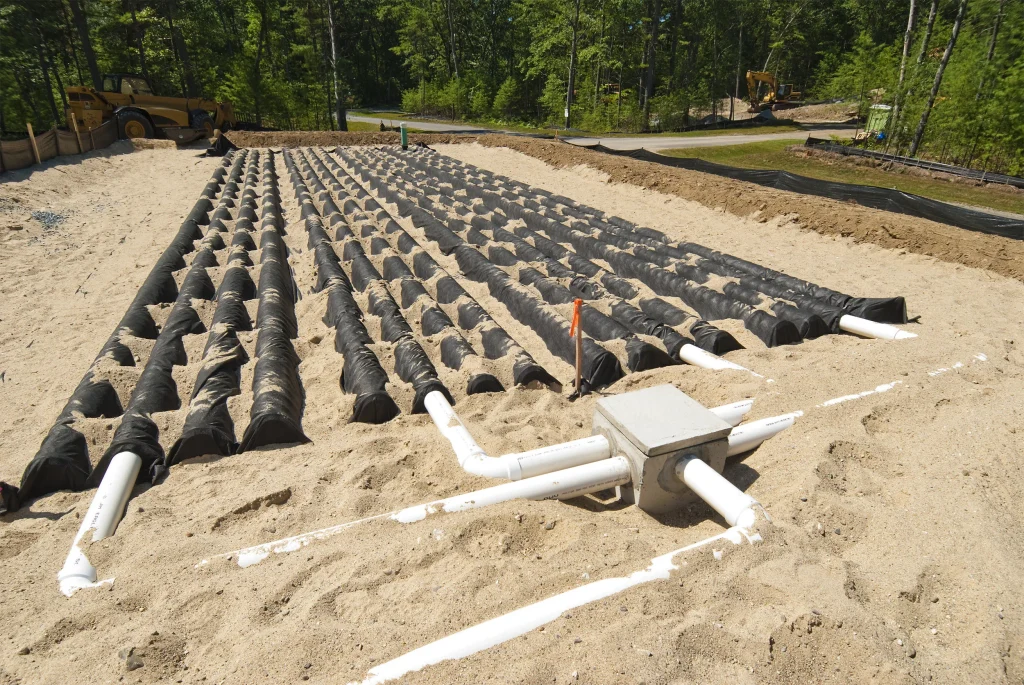
A septic system problem can feel like a fork-in-the-road moment. One path is a repair. The other is a full replacement, with all the cost and disruption that can come with it. Homeowners often get stuck because the symptoms are scary, the terminology is confusing, and everyone has an opinion.
Here is the good news. A backup or soggy patch in the yard does not automatically mean you need a full septic system replacement. In many cases, you can fix the right component, correct the underlying cause, and get years of reliable use from the system you already have. The key is understanding what “partial replacement” really means, when it is a smart option, and when it is simply delaying the inevitable.
This guide breaks it down in plain English for homeowners, builders, and anyone involved in maintaining a property.
First, what counts as “partial replacement” vs. “full replacement”?
Partial replacement (or targeted repair)
This is when you keep most of the existing system, but repair or replace a specific part that has failed or is close to failing. Examples include:
- Replacing a failed effluent pump in a pump tank
- Replacing damaged piping from the house to the tank
- Replacing a distribution box (D-box)
- Repairing a broken baffle or replacing an effluent filter
- Installing risers and new access lids to improve serviceability
- Rebuilding a short section of compromised drainfield line (when allowed and appropriate)
- Replacing a crushed line caused by vehicle traffic or excavation
The goal is to fix what is actually broken, correct conditions that caused the failure, and restore normal operation.
Full replacement
A full replacement generally means replacing the entire septic system, or at least the major functional parts as a complete new design. This often includes:
- A new septic tank (or tanks)
- A new absorption area (drainfield, leach field, or dispersal field)
- New piping and components
- A new system design that meets current codes and site conditions
- Permits, soil evaluation, and inspections
Full replacements are sometimes required by regulations, sometimes driven by site limitations, and sometimes the only practical way to achieve long-term reliability.
Why this decision is not just about symptoms
Many septic issues look the same on the surface:
- Slow drains
- Gurgling
- Sewage odors outdoors or near drains
- Alarms on pump systems
- Wet areas or greener grass over the drainfield
Those signs tell you the system is stressed. They do not automatically tell you which part is failing, or why.
A good evaluation tries to answer three questions:
- What is failing? (tank, line, pump, drainfield, or something else)
- Why is it failing? (maintenance gap, hydraulic overload, broken component, soil saturation, roots, structural collapse)
- Can the system meet today’s needs and code requirements if repaired?
If you skip those questions and jump straight to “replace everything,” you can spend a lot of money solving the wrong problem.
Situations where a repair or partial replacement often makes sense
1. The problem is upstream of the tank
Not every backup is a septic failure. Sometimes the issue is in the building sewer line, a cleanout, or a plumbing blockage.
Common repairable issues include:
- A clogged or damaged pipe between the home and the tank
- Root intrusion in a line segment
- A belly (low spot) in the pipe that holds water and solids
- A collapsed section of pipe caused by age or heavy loads
If the tank and drainfield are fine, a targeted line repair can restore normal flow without touching the rest of the system.
2. A component failed, not the whole system
Septic systems include parts that wear out, especially in pump systems. Pumps, floats, and control components can fail even when the tank and drainfield are in good condition.
A few examples:
- Pump replacement: A straightforward fix if the rest of the system is healthy.
- Float or alarm issues: Sometimes the pump is fine, but the controls are not.
- Effluent filter cleaning or replacement: A clogged filter can cause slow drains and backups, and it is often a maintenance and education issue.
Replacing a single component is not “patchwork” when it is the correct component.
3. The tank is structurally sound, but access and serviceability are poor
Older tanks often lack risers, accessible lids, and modern safety covers. That does not mean the tank needs replacement.
If inspections show the tank structure is intact, adding risers and improving access can:
- Make routine service faster and safer
- Encourage proper maintenance
- Reduce the chance of emergency calls caused by skipped cleanings
This is a partial upgrade that improves performance without ripping out the system.
4. The drainfield is stressed, but not conclusively failed
Drainfields can struggle for reasons that are sometimes reversible, at least in the near term. For example:
- A system is overdue for pumping, and solids have built up in the tank
- A filter has been ignored, restricting flow and causing backup symptoms
- Gutters or surface water are saturating the drainfield area
- A plumbing leak or running toilet is overloading the system daily
In these cases, the field may be “drowning” rather than dead. Correcting water sources, restoring maintenance, and reducing hydraulic load can sometimes stabilize the system.
Important note: once a drainfield is truly biomatted and clogged, it often does not “bounce back” to like-new. But it is still worth confirming the cause before assuming full replacement.
5. The failure is localized and code allows a repair
Sometimes damage is limited to one area, like a broken distribution box or a crushed lateral line. If local regulations allow, and the rest of the field is functioning, a localized repair may be possible.
This is where site-specific evaluation matters. Some jurisdictions require full replacement for certain failures. Others allow repairs under defined conditions.
Situations where full replacement is usually the right call
1. The drainfield has reached end-of-life
If a drainfield is confirmed failed, it is often the deciding factor. Signs that point strongly to drainfield failure include:
- Persistent surfacing effluent in the field area
- Chronic backups even after cleaning, line clearing, and component checks
- Evidence that wastewater is not being absorbed as designed
- Inspection results indicating the field is saturated and not recovering
A failing drainfield is not just inconvenient. It can create health and environmental risks, and it can limit your ability to sell or finance the home.
2. The septic tank is structurally compromised
A tank that is cracked, collapsing, or leaking may require replacement. This is especially common with very old steel tanks, or concrete tanks that have deteriorated over decades.
Structural issues are not something to ignore. A compromised tank can:
- Allow groundwater intrusion, overloading the system
- Leak wastewater into surrounding soil
- Create unsafe conditions around the tank area
3. The system is undersized for the home
A home that has grown from a two-bedroom to a four-bedroom, or a property that now has higher water use, may outgrow the original design. Even if you repair individual components, the system may continue to struggle.
If the issue is capacity, not a broken part, replacement and redesign may be the only long-term fix.
4. Repeated repairs are adding up, with no lasting improvement
One repair after another can become a financial trap. If you have had multiple service calls in a short period, ask for a clear explanation of the underlying cause and whether the system can realistically meet demand.
A practical way to look at it:
- If repairs are addressing different symptoms but not the core limitation, you may be spending replacement money slowly.
5. Code requirements or property changes force a new design
Local permitting, setbacks, soil conditions, and site changes can push a project into full replacement territory. Examples include:
- A new well location or well setback requirements
- Property line changes
- Additions or structures that impact the existing field area
- Site drainage changes that make the old location unsuitable
Even if a repair feels possible mechanically, it might not be approvable.
How professionals decide: what a proper evaluation typically looks for
A solid septic evaluation is not guesswork, and it is not based on a single symptom. Expect a combination of:
- System history review: Prior service records, frequency of pumping, prior repairs
- Locating and access: Finding the tank, lids, distribution components, and field layout
- Tank condition assessment: Baffles, effluent filter, scum and sludge levels, signs of structural issues
- Line inspection: Checking for blockages, roots, bellies, or breaks
- Pump system testing (if applicable): Pump function, floats, alarms, control panel
- Drainfield observations: Surface conditions, saturation indicators, signs of breakout
- Water-use reality check: Occupancy changes, plumbing leaks, high-demand appliances
Sometimes additional testing is needed, especially when installation or replacement is on the table. The goal is clarity, not a quick answer.
Cost and disruption: what homeowners should consider beyond the invoice
Yard impact
Repairs might mean a small excavation. Full replacement can mean heavy equipment, significant digging, and landscaping restoration.
If a drainfield must be replaced, plan for:
- Access routes for equipment
- Temporary restrictions on certain yard areas
- Protecting wells, utilities, and driveways
- Post-installation restoration and reseeding
Time and permits
A repair may be completed quickly. A full replacement often includes permitting, scheduling inspections, and coordinating design approvals. Timelines can vary by season and local workload.
Long-term reliability
A well-designed replacement can deliver decades of dependable service. A repair can also be a great long-term solution when the system is otherwise sound. The trick is making sure the repair is not simply buying time while the drainfield continues to fail.
Questions to ask before agreeing to full replacement
If a contractor recommends replacing the whole system, these questions can help you make a confident decision:
- Which component is failing, and how do you know?
- Did you confirm the building sewer line is clear and intact?
- Is the tank structurally sound?
- Is the drainfield confirmed failed, or suspected? What evidence supports that?
- Are there repair options that meet code and provide reliable performance?
- If we repair now, what is the realistic expected lifespan improvement?
- What site conditions (soil, water table, slope) affect repair vs. replacement?
- Will a replacement require a redesign, and what steps are involved?
A trustworthy answer is specific. It explains the “why,” not just the “what.”
Practical takeaway: repair when the system is sound, replace when the design is no longer viable
Partial replacements and targeted repairs are not shortcuts when they address the true point of failure. They are often the most reasonable path when:
- The tank and drainfield are functioning
- The issue is a line, pump, filter, or distribution component
- The system is properly sized for the home
- The cause of the problem can be corrected
Full replacement is typically the best path when:
- The drainfield is failed
- The tank is structurally compromised
- The system is undersized or outdated for current use
- Repairs keep repeating with diminishing returns
- Codes and site conditions require a new design
Repair vs replace. The right answer depends on what is actually happening underground. With a thorough evaluation, homeowners can avoid both extremes: overpaying for a replacement they do not need, or under-fixing a system that is past its service life.
About Author